When a winter storm finally moves out of your area, it can feel like a moment of relief — but also the start of a new kind of stress. Getting through the storm was one thing. Figuring out what damage it may have caused is another. Power may still be out, roads may be unsafe, and your thoughts are likely focused first on making sure your family, friends, or employees are okay.
At the same time, winter storms can cause property issues that aren’t obvious right away. Ice, snow, and freezing temperatures can affect roofs, plumbing, electrical systems, and even interior spaces in ways that don’t show up until days or weeks later. Taking some careful steps in the hours and days after the storm can help you assess and document what happened so you’re not caught off guard later — especially if insurance questions arise.
Here are the steps property owners should consider taking right after a major winter storm:

Step 1: Check Safety Before Anything Else
Before you inspect your property, take a moment to make sure it’s safe to do so. Look for downed power lines, icy walkways, and leaning trees. Roofs may still have snow or ice that makes them unsafe. If something feels unsafe or unstable, don’t risk injuring yourself. Consider getting professional help.
Step 2: Take an Initial Walk Around Your Property
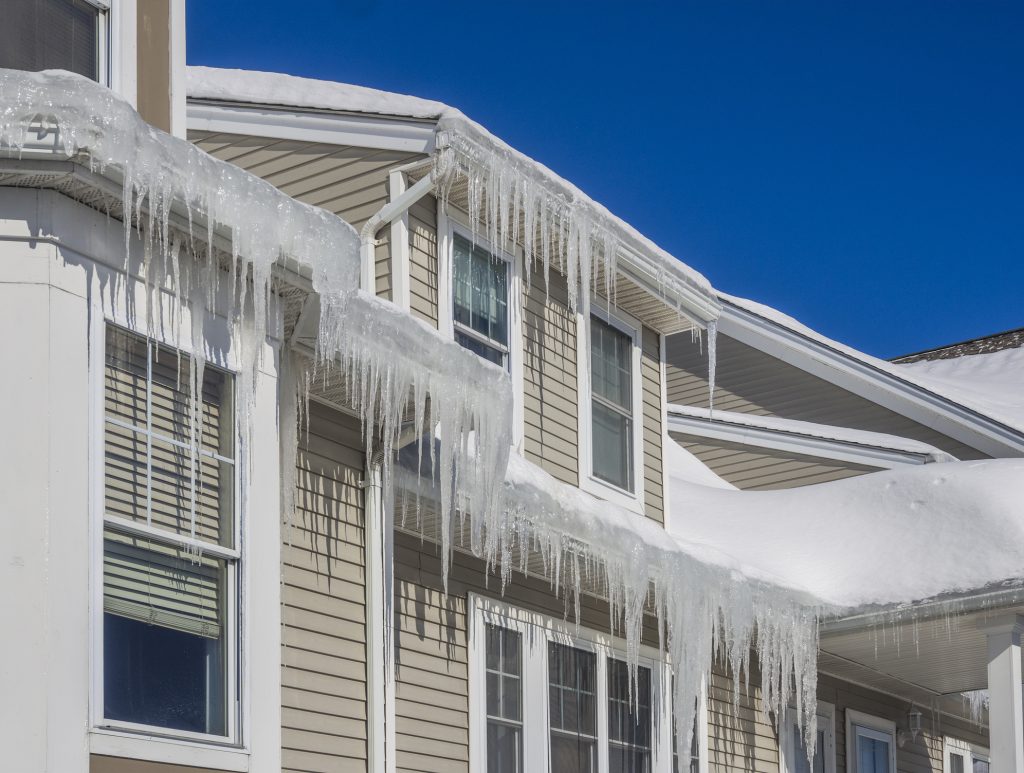
Once conditions have returned to normal, take a slow walk around the perimeter of your home or business. Look at the roofline from the ground, check windows and gutters, and note where snow or ice accumulated.
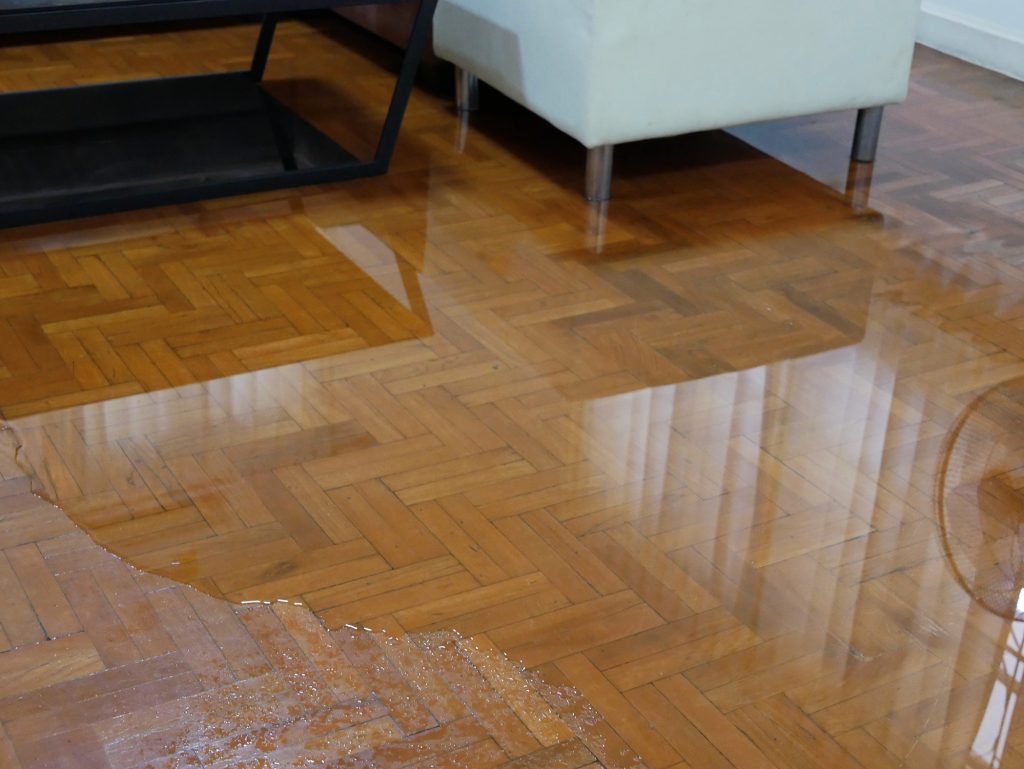
Inside, check ceilings, walls, and floors for signs of moisture or stains that weren’t there before. This initial look is about identifying any noteworthy changes, even if they seem minor at the time.
Step 3: Document What You See
With your phone or a camera, photograph and video any visible issues. Take wide shots and close-ups. Capture where the damage is and how severe it looks. The more you document early, the better. Winter storm conditions can change quickly as snow melts or temperatures rise, so early documentation gives you a clearer picture of what happened first.
Step 4: Do What You Can to Prevent More Damage
If you see obvious openings or leaks, take reasonable temporary steps to protect your property. That could mean putting a tarp over a broken section of roof or boarding up a window. These are emergency measures, not permanent fixes, and you’ll want to keep receipts and records of what supplies or services you used.
Step 5: Notify Your Insurance Company Early
Even if you’re not sure how bad the damage is, reach out to your insurer. Letting them know about the loss creates a record early in the process. Some damage from winter weather doesn’t show up right away — a pipe that froze today may leak after a warm day — but reporting your concerns early helps set a timeline.
Step 6: Keep Watching for New Problems
Winter storm damage doesn’t always reveal itself immediately. As snow and ice continue to thaw and refreeze, leaks can start slowly, mold can begin to grow in unseen spaces, and hidden damage may show up behind walls or under floors. Checking your property over the ensuing days and weeks helps you catch new issues before they get worse.
Common Mistakes Property Owners Make After a Winter Storm
After a winter storm, most people are doing their best to respond to a difficult and often overwhelming situation. When routines are disrupted and conditions are still changing, it’s easy to miss things or make decisions based on what feels most urgent in the moment. Some common missteps policyholders experience include:
- Assuming minor damage isn’t worth documenting
Small leaks, hairline cracks, or light staining can become larger problems over time, especially as snow and ice continue to melt. - Cleaning up or making permanent repairs before documenting damage
While emergency measures are often necessary, making permanent repairs too quickly can make it harder to show what happened and when. - Waiting too long to notify the insurance company
Delays in reporting can create unnecessary questions about when the damage occurred, particularly with winter storm losses that develop gradually. - Overlooking interior or hidden damage
Attics, crawlspaces, basements, and wall cavities are often where winter storm damage shows up last, not first. - Assuming the initial inspection tells the whole story
Winter storm damage frequently unfolds over days or weeks. What looks manageable at first can change as temperatures rise and conditions shift.
Avoiding these common pitfalls can help you stay ahead of issues and reduce complications if insurance questions arise later.
Support for Policyholders After Winter Storm Damage
Since 1985, we’ve helped policyholders navigate the aftermath of every kind of storm— from hurricanes to hail to winter weather. We know how unsettling it can be when your property has been damaged and the road ahead isn’t clear.
If you’re facing significant damage or you have questions about how your insurance company is handling your claim, contact Merlin Law Group or call us today to talk through your situation and learn more about how we can advocate for you.