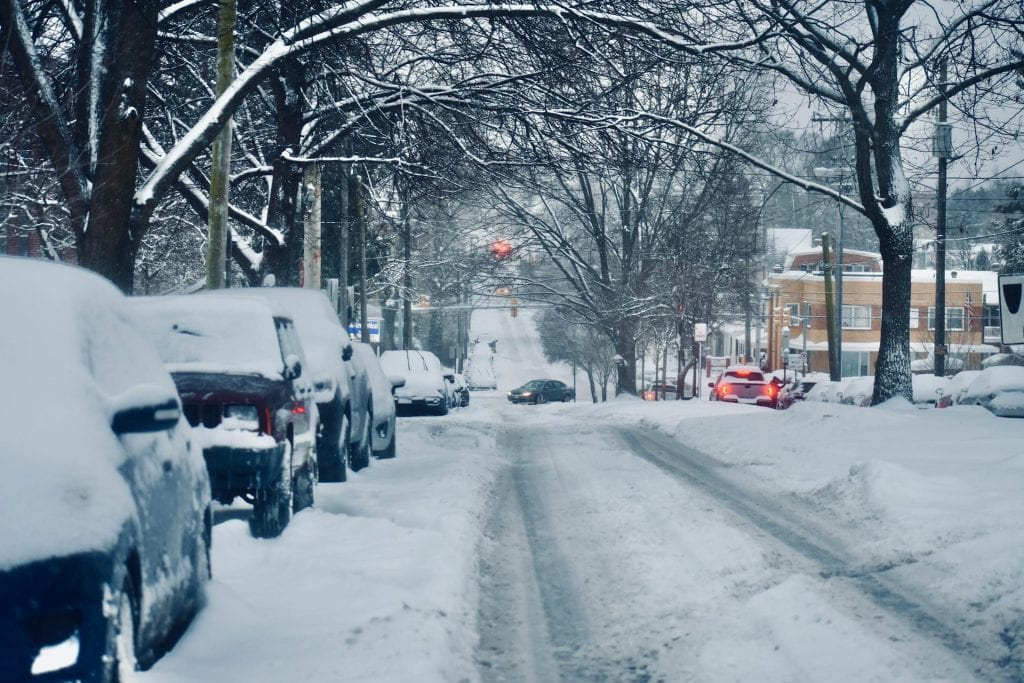
Winter Storm Fern moved through Tennessee this past week, bringing extreme cold, ice, and snow that have already left many homeowners and businesses dealing with burst pipes, water intrusion, and other forms of property damage that may not yet be fully visible.
While the immediate focus is understandably on stopping leaks, restoring heat, and clearing ice or snow, what happens in the days and weeks after a winter storm can significantly impact whether an insurance claim is fully and fairly paid.
Unfortunately, winter storm and freeze losses are often misunderstood — by policyholders and insurers alike. Knowing what to watch for and what questions to ask now can help protect your recovery.

Winter Storm Damage Often Gets Worse After the Thaw
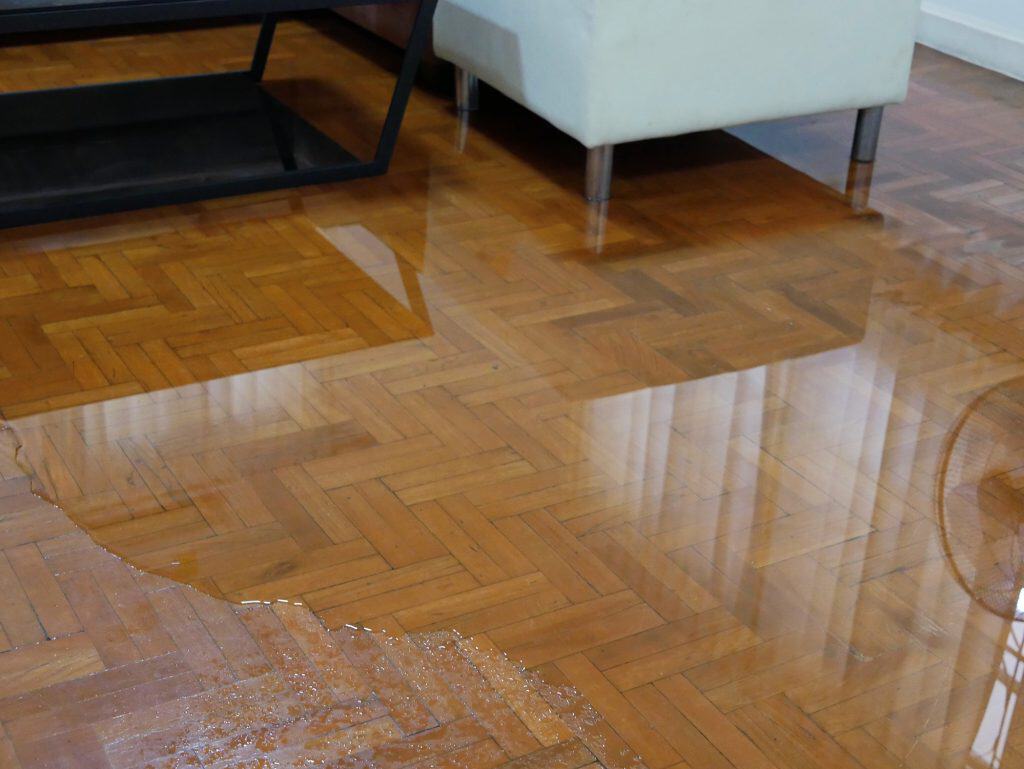
One of the biggest mistakes people make after a winter freeze is assuming the damage is limited to what they can see right away. In reality, storm-related losses often reveal themselves over time. Water from burst pipes can travel into walls, ceilings, floors, and insulation, leading to structural damage or mold weeks later.
In addition to plumbing failures, Winter Storm Fern may also have caused:
- Roof damage from snow or ice accumulation
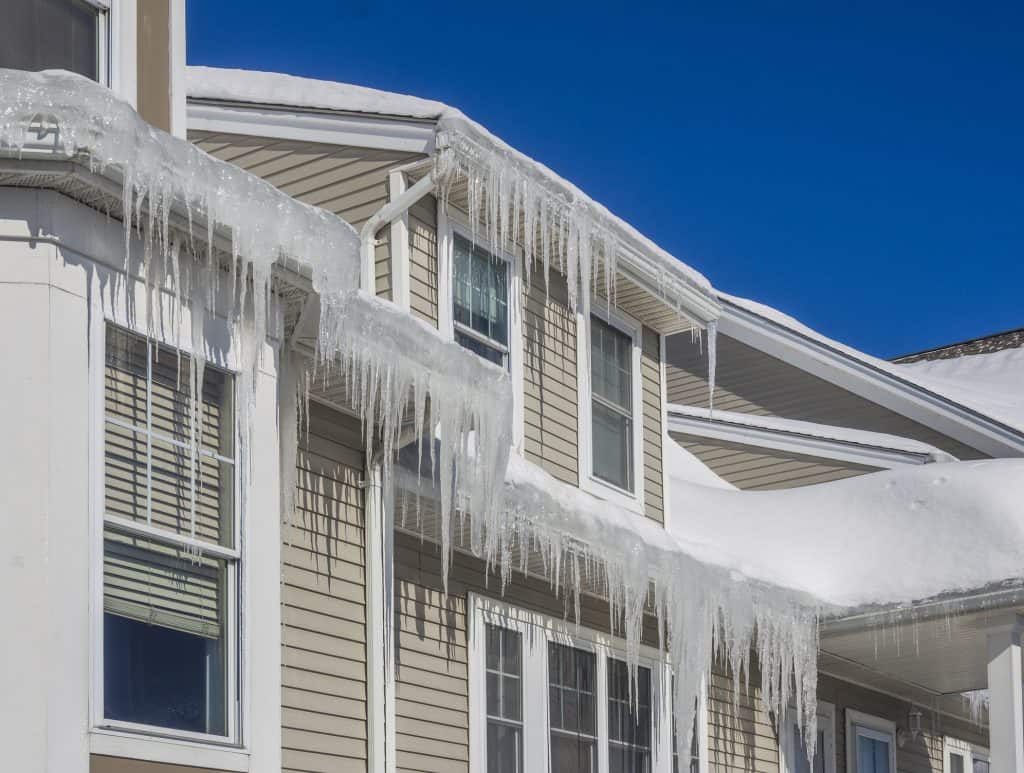
- Ice dams that lead to interior water intrusion
- Collapsed ceilings or structural stress
- Damage from wind-driven snow or ice
If you experienced a loss related to the storm:
- Continue monitoring your property even after repairs begin
- Document any new signs of damage as they appear
- Don’t assume the initial inspection captured the full scope of the loss
Insurance companies frequently rely on early inspections to limit claim payments. Ongoing documentation can be critical to protecting your claim.
“Wear and Tear” Is Not the Same as Storm or Freeze Damage
After winter storms, insurers often try to reframe losses as maintenance issues, age-related problems, or wear and tear. While insurance policies typically exclude long-term deterioration, sudden damage caused by freezing temperatures, ice, snow, or wind is often covered under property insurance policies.
A pipe that bursts because of freezing conditions — or a roof that fails under an abnormal ice load — is very different from gradual deterioration over time. That distinction matters, and it’s often where disputes begin.
Before accepting an early coverage decision, make sure you understand how your policy defines covered causes of loss and how the insurer reached its conclusion.
Commercial Policyholders Face Unique Risks
If you own or manage a business in Tennessee, the challenges after Winter Storm Fern can be even more complex. Restaurants, apartment complexes, retail spaces, and office buildings often focus on reopening as quickly as possible — but doing so without fully accounting for the loss can be costly.
Commercial winter storm claims often involve:
- Hidden water damage across multiple units or floors
- Roof or structural damage from snow and ice
- Business interruption losses that are overlooked or undervalued
- Coverage limitations applied before the full impact of the loss is known
Business interruption coverage, in particular, is frequently under-claimed or prematurely closed. If your business was affected, it’s important to ensure all time-element losses are properly evaluated before accepting any settlement.
Early Claim Decisions Can Have Long-Term Consequences
Many insurance disputes don’t start with an outright denial. They begin when a claim is limited too early. Once a claim is closed or paid without fully accounting for the damage, reopening it can be extremely difficult.
Before agreeing to a final resolution, you should be confident that:
- The full scope of damage has been identified
- All applicable coverages under your policy have been considered
- The insurer’s position aligns with the actual policy language
Tennessee Winter Storm Claims: What Comes Next?
Tennessee does experience winter storms and freeze-related losses, but they’re often treated as routine claims — even when the damage from an event like Winter Storm Fern is anything but routine. You deserve a careful, fair evaluation of what happened and what your insurance policy actually promises in return.
If your storm-related claim starts to stall, is limited before the full damage is known, or is quickly explained away as a maintenance issue, that is often the point when it makes sense to involve experienced coverage counsel. Getting legal guidance early can help ensure the claim is evaluated properly before critical decisions are locked in.
As The Policyholder’s Advocate®, our focus has always been on protecting property owners and holding insurers to the coverage they sold. After events like Winter Storm Fern, informed policyholders are in the strongest position to recover fully. If you have questions about how your insurance policy applies to damage from Winter Storm Fern, we encourage you to contact us to discuss your situation.