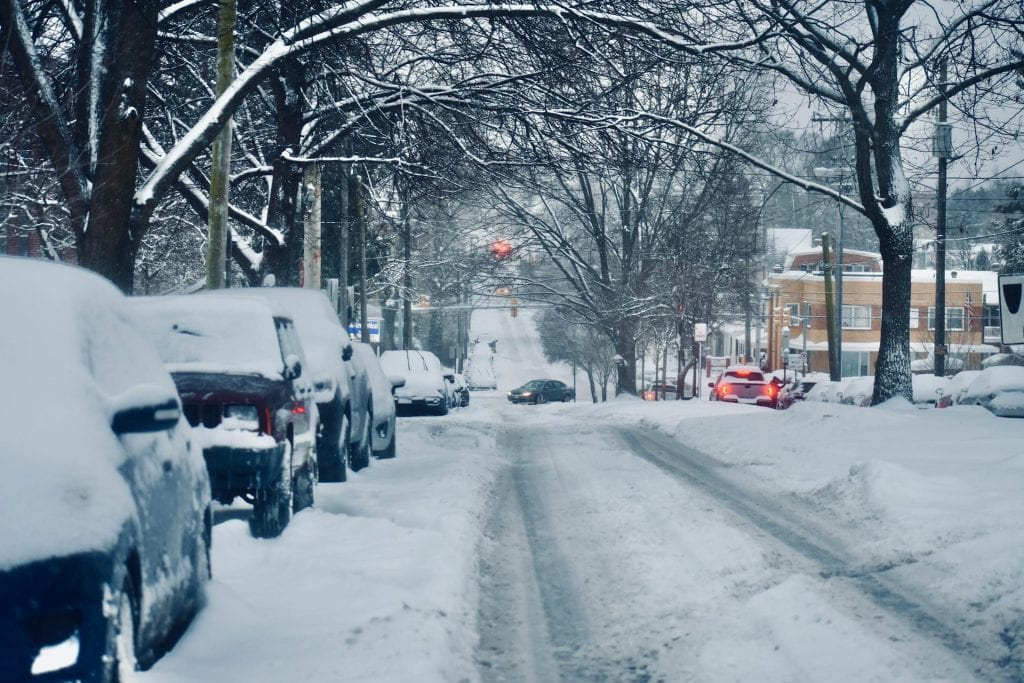
When a major winter storm passes, many property owners are left dealing with more than snow and ice. Homes and businesses may be without power, normal routines are disrupted, and it can be difficult to know where to even begin assessing what was damaged. In the days following a storm, people are often focused on staying warm, keeping their families or employees safe, and getting life back to normal.
At the same time, winter storms can cause property damage that is not always obvious at first glance. Heavy snow, ice, freezing temperatures, and power disruptions can affect many parts of a property — from the roof down to the foundation — and some problems do not appear until days or weeks later. Understanding what types of damage to look for can help policyholders take informed steps as they move forward.

Roof and Structural Stress
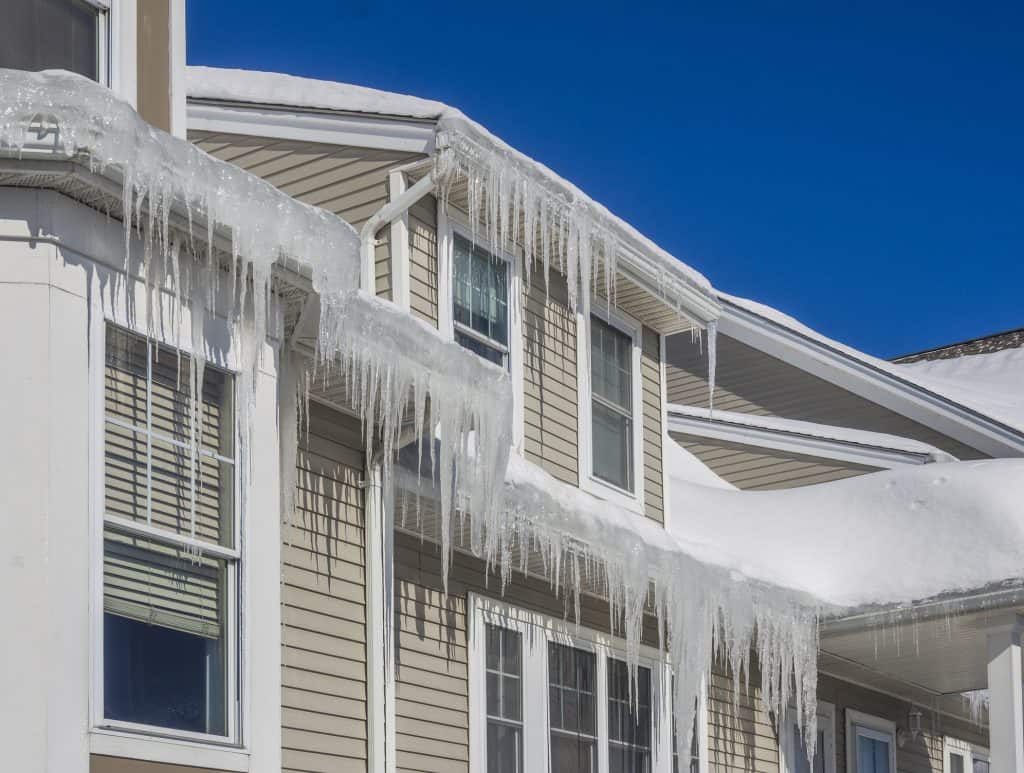
The weight of snow and ice can put intense pressure on roofs and support structures. This stress can lead to:
- Sagging rooflines or interior ceiling cracks
- Broken, lifted, or missing shingles
- Ice dams that trap melting water and lead to leaks
Ice dams and snow buildup can cause water to infiltrate areas that are normally dry. Even if there is no visible leakage right away, early signs of structural stress — like interior stains or ceiling bubbles — are worth noting. From an insurance perspective, roof damage is often one of the most disputed aspects of a winter storm claim, particularly when damage worsens over time. Early documentation can help establish when the damage occurred and how it progressed.
Water Intrusion and Interior Damage
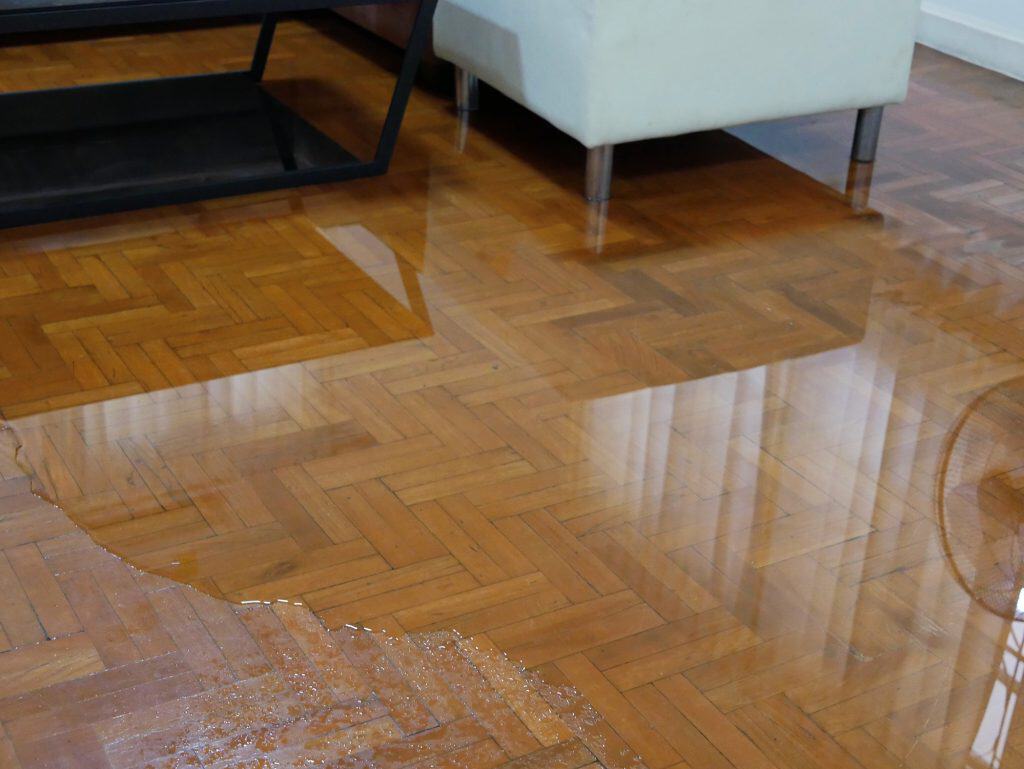
As snow and ice begin to melt, water can enter the property in unexpected ways. Look for:
- Water stains on ceilings and walls
- Wet insulation or damp attic spaces
- Warped flooring or baseboards
- Basement seepage or foundation leaks
Often, these issues do not show up until temperature changes occur days after the storm has passed. Insurance claims involving water damage frequently turn on questions of cause and timing. Documenting early moisture or staining can help connect interior damage back to the storm itself rather than a later event.
Frozen or Burst Pipes
Extremely cold temperatures can cause plumbing lines to freeze and rupture. Indicators of pipe damage include:
- Reduced or no water pressure
- Water pooling near walls, floors, or cabinets
- Visible pipe splits or bulges once areas are accessible
- Sudden moisture or dripping sounds after a thaw
Pipe failures can lead to rapid and widespread interior damage in your home or business. Insurance issues may arise around how quickly the problem was discovered and what actions were taken once the damage became apparent, making prompt attention and recordkeeping important.
Tree and Debris Damage
Winter storms often bring heavy ice that can weigh down branches and entire trees. Be on the lookout for:
- Fallen limbs on roofs, walls, driveways, or vehicles
- Gutters pulled away from the structure
- Damaged sheds, fences, and outbuildings
Debris damage may be obvious from ground level, but closer inspection — when safe — can reveal more subtle impacts. Insurance coverage for tree damage can vary depending on what was damaged, and losses to structures are often treated differently than landscaping. Clear documentation of where debris fell can help avoid confusion later.
Mechanical, Electrical, and Utility Failures
Power outages, surges, and cold weather strain systems throughout a property. Common issues after storms include:
- HVAC malfunctions or frozen equipment
- Electrical outlets or breakers that do not function properly
- Appliances affected by power surges or interruptions
- Spoiled food or operational disruptions
Insurance claims related to mechanical or electrical systems may involve questions about direct physical damage versus secondary effects. These distinctions can become important, particularly after widespread outages following a major storm.
Secondary Damage and Mold
Water that enters a building does not always stay visible. Where moisture lingers:
- Musty odors may develop
- Walls and ceilings may discolor
- Mold can begin to grow within days
Secondary damage often appears after the initial event and can complicate insurance claims. Insurers may argue that these conditions developed later or could have been prevented, which is why continued monitoring and early documentation are necessary, even after initial repairs.
Merlin Law Group Is Here to Help After Winter Storm Damage
Winter storm damage is often layered and progressive, not limited to what is immediately visible once the snow stops falling. Many policyholders only discover the full scope of their loss days or even weeks later, as ice melts, temperatures fluctuate, and hidden damage begins to surface. Taking the time to observe, document, and monitor these issues can make a meaningful difference during the recovery process.
At Merlin Law Group, we have decades of experience representing policyholders across the nation after major storm events, including complex winter weather losses. We have seen how these claims can evolve and where challenges with insurance companies often arise.
If you are dealing with significant damage or have questions about your insurance claim, speaking with someone familiar with these types of losses may help clarify your next steps. Contact Merlin Law Group to learn more about how we approach storm-related insurance claims.